

Long Beach Island... she's truly majestic, isn't she? Eighteen miles of sandy white beaches with Old Barney standing guard at her North. She's a siren- her salt air and sea breeze to call us back summer after summer. And every visit to her feels better than the last.

There are some names on Long Beach Island that just are. You don’t question them. You don’t Google them at the beach. You just say them — the way your parents said them, the way their parents said them before that.
Old Barney is one of those names.
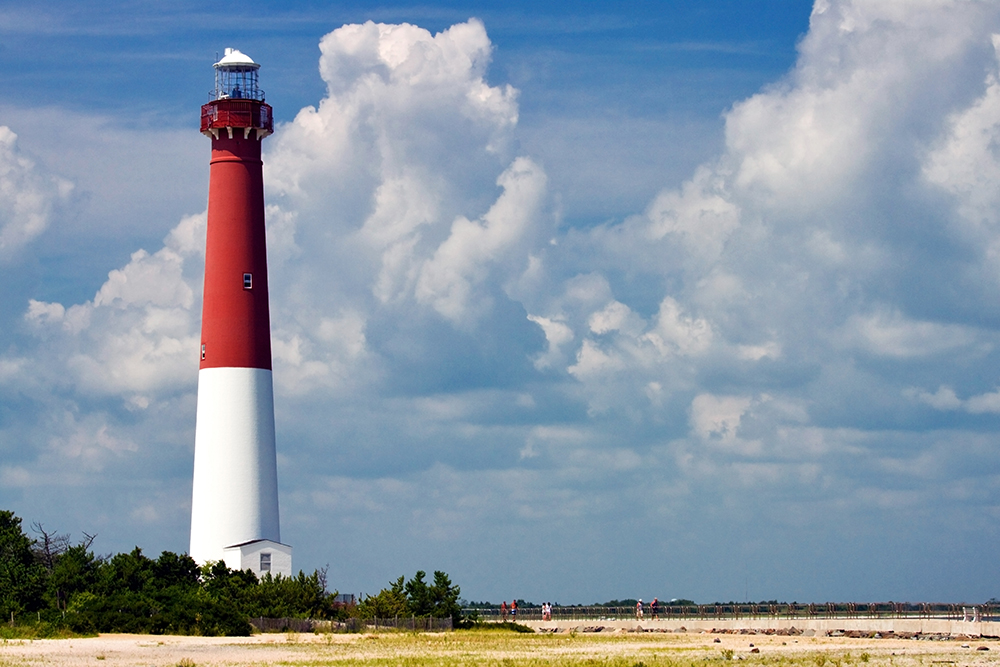
The 172-foot lighthouse standing guard at the northern tip of LBI has been “Old Barney” for so long that most people assume the nickname is self-explanatory. It’s old. It’s the Barnegat Lighthouse. Old Barney. Done.
But if you pull that thread — and I mean really pull it — the story goes back further than the lighthouse itself. Further than George Meade’s tower. Further, even than the English language on this coastline.
So who is Old Barney? Let’s trace the name to the beginning.
It Starts With The Dutch
Long before anyone built a lighthouse here, Dutch explorers were charting the Jersey coastline. In 1614, Captain Cornelius Mey — the same Mey who gave Cape May its name — encountered a turbulent inlet along the barrier islands. The water churned. The shoals shifted. The currents pulled.
He described it with a Dutch term: Barndegat.
The conventional story says the original word was Barendegat, meaning “inlet of the breakers” — a reference to the violent surf crashing through the narrow channel. And for generations, that’s the version that stuck in the history books. But the etymology isn’t quite that clean.
As Keith Germain meticulously documented in his 2020 research paper The Case for Barndegat, the word “Barendegat” doesn’t actually exist in the Dutch language. The word gat does — meaning hole, gap, channel, or harbor. Germain argues that the original term was likely Barndegat, not Barendegat, and that Mey may have been describing something that reminded him of a dijkdoorbraak — a dike breach back home in the Netherlands. The swift waters of the inlet pouring into the vast bay behind it would have looked eerily familiar to a Dutch sailor who’d seen floodwaters breach the dikes of his homeland.
Robert Juet, Henry Hudson’s first mate, had described the bay just a few years earlier as “a great lake of water” composed of “drowned land.” To a Dutchman, that description would have conjured something very specific.
Whether Barndegat was a proper name or a description, the word evolved over the centuries — from Barendegat to Barndegat to Barnegat — as it passed through English-speaking mouths and onto English-made maps.
And it was on one of those English maps that “Old Barney” may have first appeared.
The Map on Charing Cross
In 1778, William Faden — the official cartographer to King George III — published The Province of New Jersey, Divided into East and West, Commonly Called the Jerseys from his shop on Charing Cross in London. It was the finest map of New Jersey produced in the 18th century, built from Bernard Ratzer’s military surveys and enriched with intelligence from British and Hessian officers during the Revolution.
Faden’s map captured extraordinary detail: every road, every river, every township. But tucked into the coastline near the inlet, he printed something cartographers hadn’t used before.
As Kent Mountford notes in Closed Sea: From the Manasquan to the Mullica, A History of Barnegat Bay, Faden “carefully printed a ‘Barigate Inlet’ opening into ‘The Sound’ which lay behind ‘Old Barnegat Beach,’ the latter term being perhaps a concession to popular usage.”
Read that again. Old Barnegat Beach. In 1778. More than eighty years before the current lighthouse was even built.
This means “Old Barnegat” wasn’t a 20th-century nickname used to rally preservationists. It wasn’t coined by a local newspaper or a tourism board. The “Old” was already attached to this stretch of coastline when the Revolution was still being fought — printed by the king’s own mapmaker, likely reflecting what locals had been calling it for years before ink ever hit paper.
From Old Barnegat to Old Barney is barely a slur of the tongue. The kind of shorthand that happens naturally when a name gets passed between fishermen and lifesavers, keepers and their families, visitors and the people who served them fried clams at the end of the island.
But The Locals Tell It Differently
Of course, not everyone on LBI learned their history from 18th-century cartography. Some learned it from a poem — and a much better story.
There’s an old piece of shore folklore that offers a decidedly more colorful explanation for the name. It goes something like this:
A jolly sailor — “a jolly, jolly tar” — spotted the lightkeeper’s daughter on the beach and chased her across the sand until he caught her. When he demanded a kiss, she squealed and called for her father. The sailor introduced himself: “Sure my name is Barney Flynn.”
The old lightkeeper wasn’t having it. He went after the sailor, who made a run for the water. And the place where Barney “gat” — as in got to — the water became “Barnegat.”
Barney gat for the water. And so the place, from near and far, was named.
Is any of it true? Probably not. But that’s never stopped a good story on this island.
Like all good shore lore, it carries a grain of emotional truth. This coastline has always been a place where land and sea collide — where people chase things and get chased, where the tide decides who stays and who goes.
And if you squint, there’s something poetic about the idea that “Old Barney” isn’t a place at all. It’s a person — a jolly, ornery, persistent character who refuses to leave.
Which brings us to the lighthouse.
When Old Barney Became A Battle Cry
Whatever the nickname’s origins, it became something more powerful in the 20th century. When the sea began swallowing the land around the lighthouse — when the Lighthouse Bureau abandoned the tower and the government refused to fund its preservation — the people of LBI didn’t rally around “Barnegat Lighthouse.”
They rallied around Old Barney.
By the 1920s, the nickname was firmly embedded in the local vocabulary. When a bill allocating $100,000 for the lighthouse’s preservation was introduced in Congress in 1924, it was “Old Barney” the newspapers wrote about. When the Lighthouse Bureau submitted an inflated cost estimate and the Department of Commerce walked away, it was “Old Barney” the community refused to let die.
Mayor Butler and the citizens of Barnegat City built an emergency jetty out of old cars, trucks, and baby carriages. By 1933, the water sat just two feet from the tower’s foundation at high tide. The federal government eventually returned to the fight in 1934, funding steel rings around the base — but only after the locals had already proven they’d sink every jalopy on the island before they’d let their lighthouse fall.
The nickname carried weight because it carried affection. “Old Barney” wasn’t a formal designation. It was the way you’d talk about a stubborn, beloved relative who’d outlived everything that tried to take him down.
The Name That Stuck
So who is Old Barney?
Old Barney is a Dutch word that lost its vowels. A stretch of beach that earned the word “Old” before the Revolution. A sailor who chased a girl across the sand. A tower that nearly fell into the sea while its neighbors built jetties out of junk cars.
Old Barney is what happens when a place gets loved long enough that formality falls away and all that’s left is the name people actually use — the one that feels like home.
The nickname didn’t come from a single moment or a single map. It accumulated, the way sand accumulates against a jetty. Layer by layer. Dutch tongues and English pens. A cartographer in London and a fisherman on the inlet. A folk poem and a preservation fight.
And now, 167 years after Meade’s tower first threw its light across the shoals, the name is so deeply embedded in the identity of Long Beach Island that the island itself is — quite literally — south of Old Barney.
See you over the bridge.
Sources & Further Reading
Kent Mountford, Closed Sea: From the Manasquan to the Mullica, A History of Barnegat Bay (Down The Shore Publishing). The William Faden map reference and “Old Barnegat Beach” citation appear in Mountford’s discussion of early cartography of the Barnegat region.
Keith A. Germain, The Case for Barndegat: A Journey from Barendegat to a Burning Hole (November 2020). A detailed etymological analysis of the Dutch origins of “Barnegat,” challenging the conventional “Barendegat” narrative.
William Faden, The Province of New Jersey, Divided into East and West, Commonly Called the Jerseys (London: Charing Cross, 1778). The landmark Revolutionary-era map of New Jersey.
Elinor DeWire, “Old Barnegat Light: What’s in a Name?” (2014). Lighthouse historian’s account of the Barney Flynn folk poem and the Dutch etymology.
Lighthousefriends.com, “Barnegat Lighthouse, New Jersey.” Detailed preservation history, including the 1920s-1930s community fight to save the tower.
Edwin Salter, A History of Monmouth and Ocean Counties (1890). Early documentation of the Barnegat name evolution.
David Gold, Studies in Etymology and Etiology (2009). Scholarly analysis of the Dutch linguistic roots of New Jersey place names.
celebrating The history, heritage, & homes of Long beach island, nj
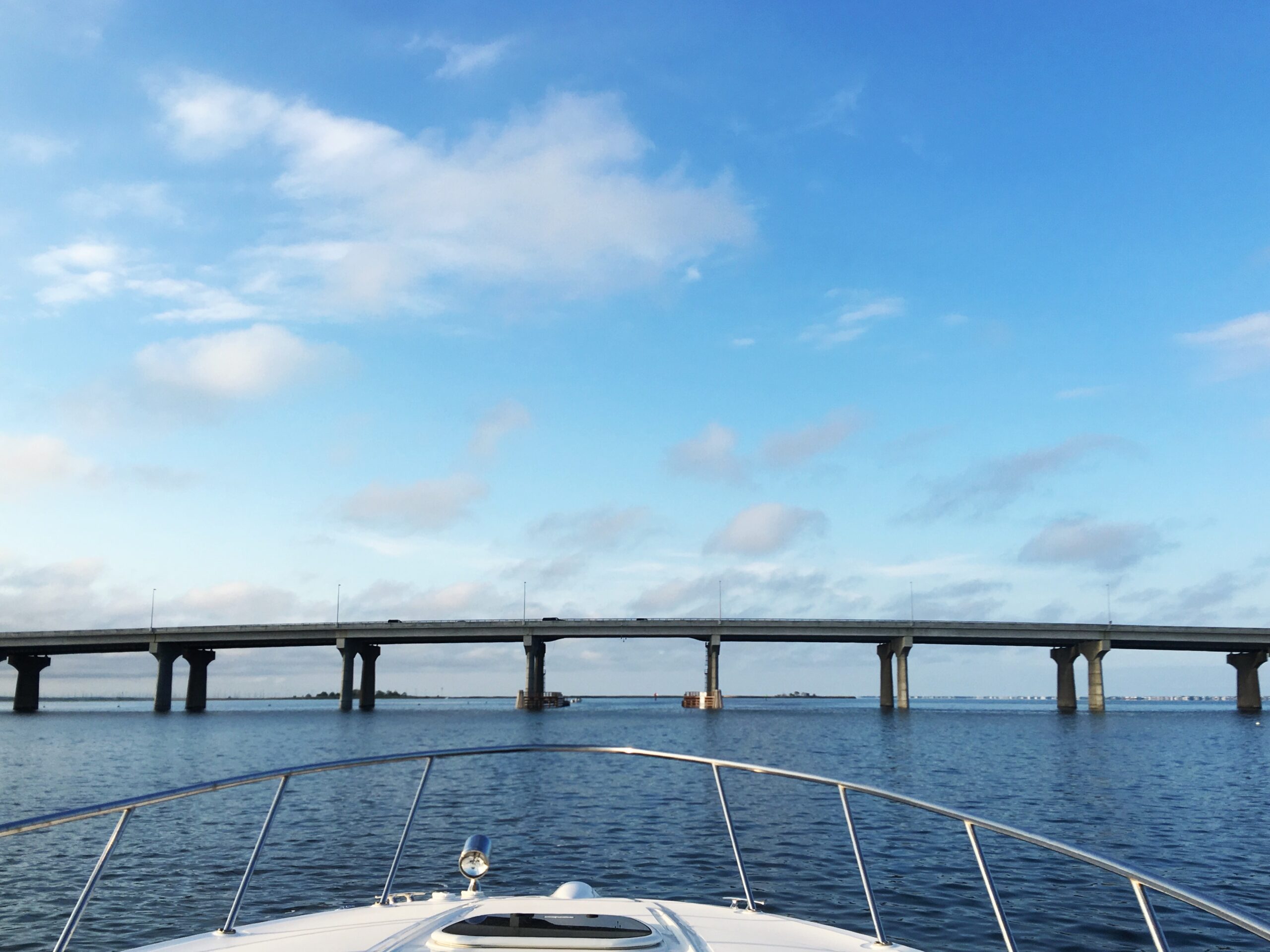
You drive over it every time you cross the causeway. But do you actually know which bay you’re looking at?
celebrating The history, heritage, & homes of Long beach island, nj

You know the feeling of pulling onto the Boulevard for the first weekend of the season — windows down, that first hit of salt and marsh in the air, the whole island exhaling around you. Here’s something worth carrying on that drive: you are not the only one coming home to the bay right now.
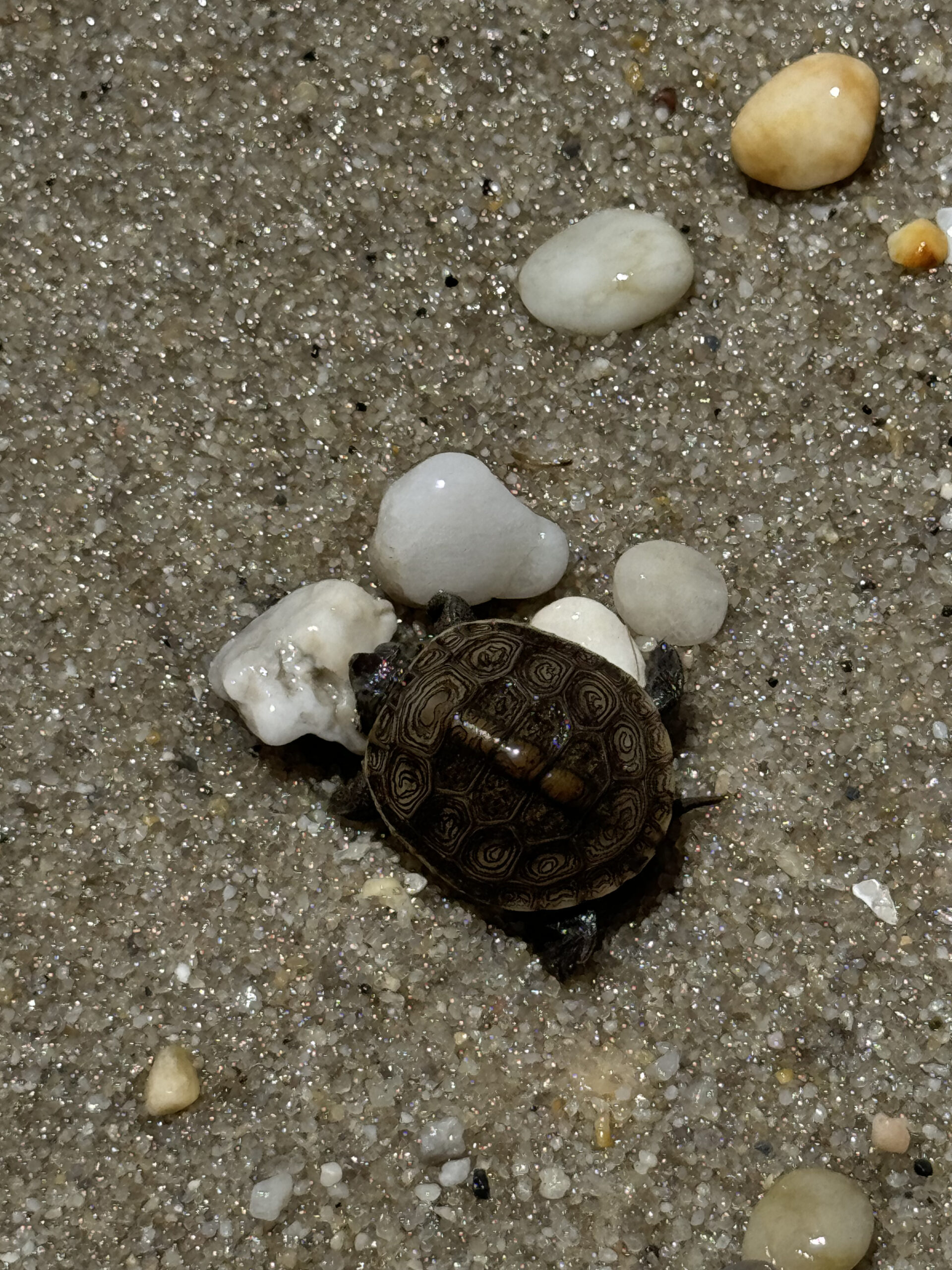
Every June, while the rest of us are dragging beach chairs out of the garage, the northern diamondback terrapin is making its own version of the summer migration. The females climb up out of the Barnegat Bay marshes, hauling themselves across dunes and bulkheads and — yes — roads, looking for a patch of warm, sandy soil to dig a nest. Once you know to look, you’ll see this island a little differently.
A Local You’ve Probably Never Met
The diamondback terrapin is the only turtle in North America that spends its whole life in brackish water — that in-between world of the back bay, where the salt of the ocean meets the fresh of the mainland creeks. Most turtles can’t survive there at all. The terrapin can, because it’s quietly built for it.
Behind each eye sits a salt gland — the same equipment a sea turtle has, and the only turtle in the terrapin’s family tree that carries one. It wrings the excess salt out of the bloodstream and weeps it back out, which is what makes feeding and drinking possible in water that would kill an ordinary pond turtle. Fresh water is a different problem, and the solution is stranger still: terrapins wait for rain. After a storm, a thin skin of fresh water floats on top of the salt, and they surface to drink it right off the top — or tip their heads back and take the drops straight from the sky. Researchers have found they can feel the vibration of oncoming rain even while submerged, and rise to meet it.
This is bay-side water, through and through. Not the surf side — the quiet side, where the sunsets happen and the kids catch crabs off the dock. The terrapin earns its keep there, too: it’s one of the main things holding the marsh periwinkle snail in check, and left unchecked, those snails can chew a healthy salt marsh down to mud.
The name comes from the diamond-shaped rings stamped into the plates of the gray-green shell. Those plates are called scutes, and they’re made of keratin — the same material as your fingernails. The pattern is unique to each animal; the shell, and the scatter of black flecks across the pale gray skin, are as singular as a fingerprint. No two terrapins on this island look exactly alike.
You’ll read in a lot of places that you can count those rings like the rings of a tree to read the animal’s age. It’s a tidy idea, and people have tried — but here’s what rarely gets mentioned: scientists have never been able to confirm the math holds up. The rings crowd together and go quiet with age, and growth slows to a creep. The true number stays uncertain. And it can be a big one: a wild diamondback terrapin can live 25 to 40 years, making it one of the longest-lived animals in the bay. The terrapin sunning on a mudflat this week may have been nesting here before your kids were born.
Why June is Her Season
Nesting runs from late May through July, peaking right around now — the longest, warmest days of the year. Getting to that first nest takes a remarkably long time. A female doesn’t reach laying age until she’s roughly nine or ten years old and about six and a half inches of shell, and she’ll grow to nearly twice the size of a male, who matures years earlier at half her heft. That size gap you might notice between two terrapins isn’t age alone; it’s two different arcs of life.
When the time comes, she leaves the water and travels surprising distances inland to find the right spot — sunny, sandy, above the high-tide line. She digs the nest with her back legs, lays a clutch of eight to a dozen or so pinkish eggs, covers them, and slips back to the bay, and she may do it more than once in a summer. A mate doesn’t even need to be nearby: females can store sperm for years, so a single clutch buried in one LBI dune can have more than one father.
Then the sand takes over. The eggs incubate underground for roughly 60 to 90 days, and this is the part that stops me every time: the temperature of that sand decides whether they hatch male or female. Cooler nests produce males; warmer nests produce females — the difference between a clutch of brothers and a clutch of sisters can come down to a few degrees and a few inches of shade. The hatchlings dig out in late summer and fall and make their own run for the water. The latest nests don’t always clear the cold; those hatchlings wait it out underground and emerge the following April, already a season behind.
It’s an elegant system, and a brutal one. It evolved over millions of years — long before the Boulevard, before the bulkheads, before a single car ever crossed the causeway. Which is where we come in.
The Hard Part (And The People Who Show Up For It)
The odds are long from the very start. In New Jersey, only about one to three percent of the eggs a terrapin lays will ever produce a hatchling — and of the hatchlings that dig their way out of the sand, perhaps only one or two in a hundred live to adulthood. The single biggest threat to a nesting female isn’t a predator, though. It’s a car. She crosses roads to reach her nesting grounds, slowly, the way terrapins have done everything for millions of years.
The species has survived worse, and it’s worth knowing how close it came. A century ago, the diamondback terrapin was nearly eaten off the map. Terrapin soup was a Gilded Age delicacy — a fixture at fine hotels and society dinners — and from the 1880s into the 1930s, harvesters pulled them out of bays like ours by the wagonload until the population all but collapsed. What turned it around, of all things, was Prohibition. The fashionable recipe called for a heavy pour of sherry, and when the liquor disappeared, demand for the soup went with it. By the time the country could legally drink again, the terrapin had been handed a quiet reprieve. But the hunting didn’t end there. New Jersey allowed a legal terrapin harvest right up until the last decade — a winter season, run while the turtles lay dormant in the mud, with no limit on the number taken. As recently as 2014, more than 3,500 were pulled from southern New Jersey bays and shipped overseas.
This is where some of the best people on the island come in. The Terrapin Nesting Project, a grassroots group founded right here on LBI by Kathy Lacey in 2011, spends every summer on the unglamorous, heroic work of looking out for these turtles. Volunteers patrol island neighborhoods watching for nesting females, rescue eggs from dangerous spots like roadsides, relocate at-risk clutches to protected hatcheries, and shepherd the eggs through incubation until the hatchlings are ready for the bay. Over the years, the project has released tens of thousands of hatchlings into Barnegat Bay — more than 13,600 between 2011 and 2018 alone — turtles who might not have made it otherwise.
Two years later, the state finally closed the door for good. In 2016, New Jersey passed a law — signed that July — reclassifying the terrapin as a protected nongame species and permanently ending the legal harvest season. It’s now managed by the state’s Endangered and Nongame Species Program. Progress. But the day-to-day saving still happens at the human scale: one volunteer, one slowed-down car, one nest at a time.
What You Can Do (No Shoes Required)
You don’t have to join a patrol to be on Team Terrapin. A few small things, from one local to another:
Slow down on the causeway and the bay side streets in June and July. If you see a terrapin in the road and it’s safe to stop, help it across — always in the direction it’s already headed, never back the way it came. It knows where it’s going better than you do.
Leave the nests alone if you spot one in a yard or dune. Resist the urge to “rescue” eggs yourself — call the people who do this for a living.
And maybe the simplest thing of all: notice them. Point one out to your kids. Tell the story at the dinner table. The more of us who know they’re out there, the better their odds.
The Bigger Picture
The terrapin is worth paying attention to because it’s a living link to the LBI that existed long before any of us found it. It’s been here far longer than the boardwalk or the boulevard, and it asks for almost nothing. When the season ends, and the rest of us pack up the cars, the terrapins don’t go anywhere — they burrow into the mud at the bottom of the bay’s creeks and channels and sleep the winter through, surfacing again in spring. No boardwalk, no ice cream line, no fireworks. Just the marsh, the warm sand, and a little room to do what they’ve always done. In a place that changes a little more every summer, that’s worth slowing down for.
So this week, when you’re crossing the bridge with the whole season in front of you, keep an eye on the road. One of the island’s oldest families is on the move.
See you over the bridge.
Sources & Further Reading
Terrapin Nesting Project (Long Beach Island) — https://www.terrapinnestingproject.org/
Conserve Wildlife Foundation of New Jersey, Northern Diamondback Terrapin species profile — https://conservewildlifenj.org/?species=malaclemys-terrapin-terrapin
New Jersey Department of Environmental Protection, Fish & Wildlife — Endangered and Nongame Species Program — https://dep.nj.gov/njfw/
South Carolina Sea Grant Consortium, “Jewel of the Marsh: The Remarkable Diamondback Terrapin” — https://www.scseagrant.org/diamondback-terrapin/
National Park Service, Gateway National Recreation Area — Diamondback Terrapin — https://www.nps.gov/gate/learn/nature/diamondback-terrapin.htm
Chesapeake Bay Program field guide — Diamondback Terrapin — https://www.chesapeakebay.net/discover/field-guide/entry/diamondback-terrapin
Turtle Conservancy, Diamondback Terrapin Project — https://www.turtleconservancy.org/outreach/diamondback-terrapin-project
Long Beach Island... she's truly
majestic, isn't she? Eighteen miles of sandy white beaches with
Old Barney standing guard at her North. She's a siren- her salt
air and sea breeze to call us back summer
after summer. And every visit to
her feels better than the last.
TOp Stories
Here’s a confession that will either make you trust me or question everything: some of my favorite days on Long Beach Island have been gray ones.
Not the sun-drenched, salt-rimmed, golden-hour days that fill your camera roll. The other kind. The ones where the sky drops low over the bay and the island gets quiet enough to hear itself think. When the beach empties out and the real LBI — the one that’s been here since before the boardwalk and the beach badges — steps forward.
Memorial Day Weekend is the unofficial start of summer, and if the 2026 installment decides to welcome you with a little rain, consider it a gift. Because this island has more to offer than a tan line, and a wet weekend might be the best way to prove it.
Here’s your rainy-day playbook. Not the tourist list. The other list.
Stop by the Book Signing at The Dune Market
Start your Saturday morning at The Dune Market in Beach Haven — the kind of shop that feels like someone’s beautifully curated beach cottage, because it basically is. Owner Emily Raleigh built this place around the idea of coastal living done with intention: ethically sourced home goods, self-care products, and a bookshop section that could keep you browsing for an hour.
On Saturday, May 24th, from 10am to noon, The Dune Market is hosting a book signing with New Jersey journalist Francesca Cocchi, whose debut novel, Have a Great Summer, will be released that same week. It’s a dual-timeline Jersey Shore romance — the kind of book that was practically written for reading on a screened-in porch while it pours outside. Cocchi grew up down the shore in Monmouth County, wrote for NBC’s TODAY and Food Network Magazine, and poured all of that coastal nostalgia into her first novel. If you’re looking for this summer’s beach read that takes place around the Jersey Shore, this is where you pick it up — signed, from the author, in a shop that smells like sea salt and candle wax.
And if one book isn’t enough to get you through a rainy weekend — it won’t be — we put together our picks for the season: 7 Must-Read Books for Summer 2026 (https://movemetolbi.com/161/7-must-read-books-for-summer-2026/). These are the only new releases worth sand in our spines, earning a spot in our beach bag this summer.
The Dune Market · 414 N Bay Ave, Suite D, Beach Haven · Saturday 5/24, 10am–12pm
Climb Old Barney – Yes, in the Rain
Here’s something most people don’t realize: the lighthouse climb is entirely indoors. All 217 steps of it. So while everyone else is staring at the rain from their rental, you can be standing at the top of Barnegat Lighthouse watching the storm roll across the inlet. It’s one of the most dramatic views on the island, and it’s arguably better in bad weather — the clouds stacking over Island Beach State Park, the whitecaps crashing against the jetty, the whole scene looking like something out of a maritime painting.
The lighthouse is open daily starting Memorial Day Weekend, 9am to 3pm. Admission is just a few dollars. And if the stairs aren’t your thing, the Interpretive Center at the base has live camera feeds from the top, plus exhibits on the lighthouse’s history going back to 1859.
While you’re up in Barnegat Light, walk the Maritime Forest Trail — a short loop through one of the last remaining patches of maritime forest on LBI. A little rain makes it feel ancient.
Barnegat Lighthouse State Park · Broadway & the Bay, Barnegat Light
Catch a Show at Surflight Theatre
Surflight Theatre has been putting on shows in Beach Haven since 1950, making it one of the longest-running professional theaters on the Jersey Shore. This year they’re opening their 77th season — seventy-seventh — with A Grand Night for Singing, a Rodgers & Hammerstein revue that pulls from the full catalog. It’s the kind of thing that feels like it belongs on a rainy island night: intimate, old-school, and unapologetically theatrical.
Show times over Memorial Day Weekend include Friday 5/23 at 8pm, Saturday 5/24 at 2pm and 8pm, and additional performances running through early June. Grab tickets ASAP — this place has a loyal following and a 450-seat house that fills fast.
Surflight Theatre · 201 Engleside Ave, Beach Haven · surflight.org · (609) 492-9477
Wander the Museums
LBI has a handful of small museums that punch well above their weight, and a rainy afternoon is the perfect excuse to finally walk through the door.
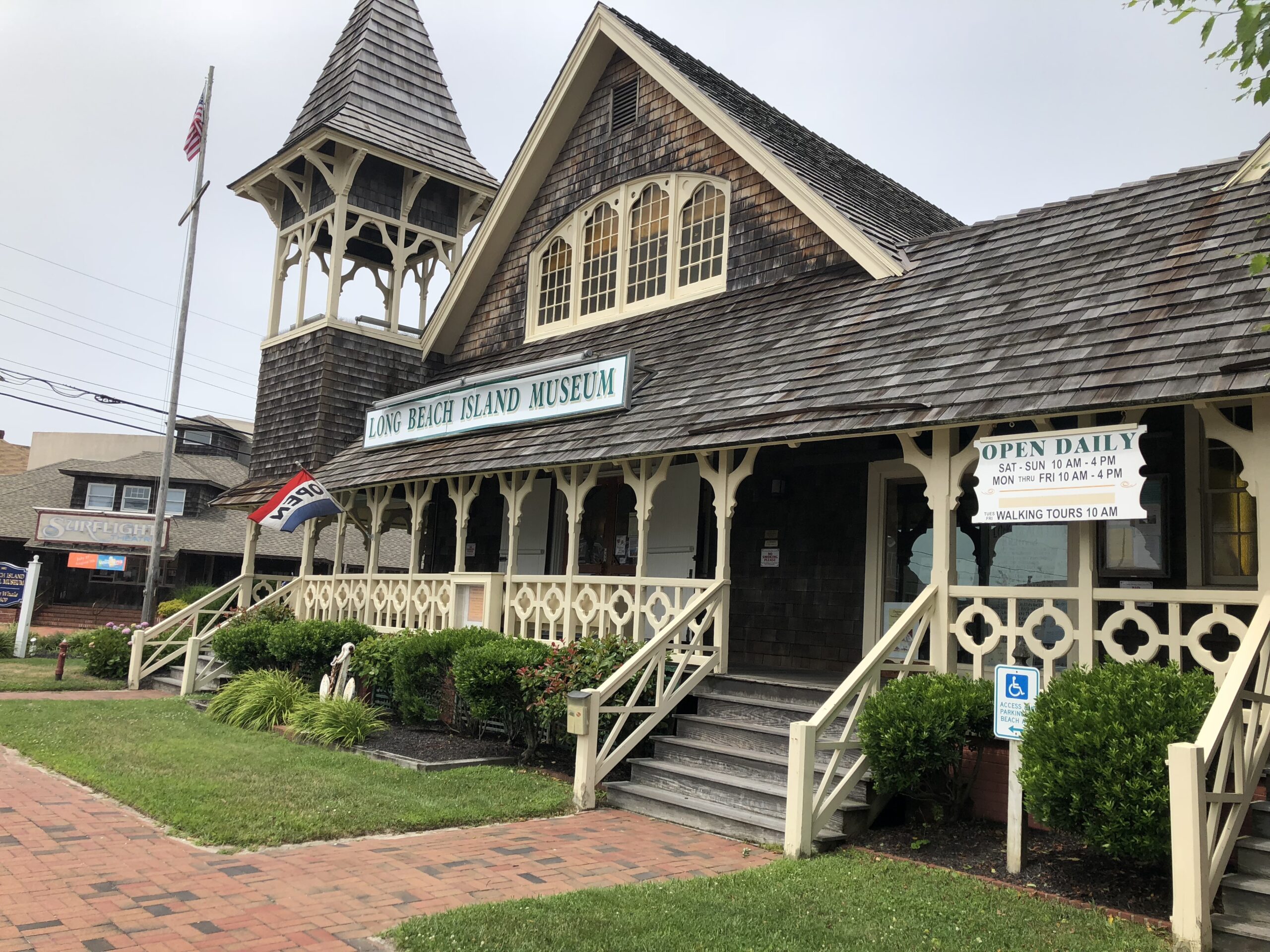
The LBI Historical Museum at 129 Engleside Ave in Beach Haven is housed in a former church built in 1882. (Fun fact: I got married there — so I’m a little biased, but trust me on this one.) The exhibits trace the island’s arc from its earliest inhabitants through the Gilded Age resort era, shipwrecks, and the quirky summer culture that defines this place. This season, check out their new exhibit, Celebrating Summer Fun 1950–1980 — a look back at the LBI summers your parents and grandparents knew. There’s also a restored bayman’s cottage inside, scavenger hunts for the kids, and a gift shop worth browsing. Admission is $5.
Up in Barnegat Light, the Barnegat Light Museum is small but rich — a single room packed with artifacts and photographs that chronicle LBI’s past. Pair it with the lighthouse climb and you’ve got a full morning on the north end.
And in Beach Haven, the NJ Maritime Museum is a hidden gem for anyone who’s ever wondered about the shipwrecks off this coast. Detailed exhibits on dive recoveries, the resort industry, and the maritime heritage of the Jersey Shore. The volunteers are passionate and will talk your ear off in the best way.
See Art in Loveladies
The Long Beach Island Foundation of the Arts and Sciences sits on 22 acres in Loveladies, and it’s one of the most quietly special places on the island. Founded in 1948 by Boris Blai — a sculptor who studied under Rodin and went on to found the Tyler School of Art at Temple — the LBIF has been fostering creativity on this sandbar for nearly eight decades.
Over Memorial Day Weekend, the Works on Paper national juried exhibition will be on view in the gallery. This year’s juror is Joanna Sheers Seidenstein, a curator at The Metropolitan Museum of Art. The gallery space itself is worth the trip — a mid-century modern building with vaulted ceilings and natural light, the kind of room that makes you slow down.
The LBIF also hosts art classes, yoga sessions, and community programs throughout the season. Check their calendar before you go — you might stumble into something unexpected.
LBIF · 120 Long Beach Blvd, Loveladies · lbifoundation.org
Drink Local
When the sky is gray and you’ve got nowhere to be, a brewery is exactly where you want to end up.
Ship Bottom Brewery in Beach Haven brews everything on-site and keeps a rotating tap list that ranges from classic IPAs to some genuinely creative experiments. Their indoor taproom is a solid rainy-day landing spot, and this Memorial Day Weekend they’ve got live music every day from Friday through Monday — so even if you can’t sit on the beach, you can still have the soundtrack. Keep an eye on their socials for the lineup.
If you’re willing to hop off the island, Manafirkin Brewing Company is just across the causeway with a dog-friendly taproom and a solid rotation of stouts and sours. Grab a pretzel platter from next door and settle in.
And if you’re more of a coffee person, grab a pour-over and park yourself somewhere cozy. LBI has more good coffee than it gets credit for — we ranked our favorites in Our Top 9 Coffee Spots on LBI for Summer 2026 (https://movemetolbi.com/103/our-top-9-coffee-spots-on-lbi-for-summer-2026/).
Shop the Rain Away
Beach Haven’s shopping district doesn’t shut down when it rains — it gets better. Bay Village and Schooner’s Wharf are connected by covered walkways, which means you can bounce between boutiques, gift shops, and candy stores without getting soaked.
Beyond Bay Village, the island is dotted with independent shops worth a slow browse: Surf City 5 & 10 has been a fixture since 1952, Island Gypsy has the kind of effortless beach style that makes you rethink your entire closet, and if you’ve got kids in tow, Sugar Kingdom’s 2,500 candy varieties will buy you at least an hour of peace.
Play Like a Kid
Rain on a family vacation doesn’t have to mean cabin fever. LBI’s arcades have been saving rainy days for decades.
Fantasy Island in Beach Haven has a massive indoor arcade alongside its amusement rides. Our Endless Summer in Ship Bottom is a classic — skee-ball, claw machines, and the satisfying chaos of ticket redemption. And if your crew is competitive, Escape LBI offers three themed escape rooms that’ll keep everyone too focused to notice the weather.
For the bowlers: Thunderbird Lanes is just off the island, it’s BYOB, and it’s the kind of low-key, high-fun activity that turns a washout into the best night of the trip.
Stay In and Slow Down
Or maybe the best rainy-day move is the simplest one: stay in. Pull out a board game, open a bottle of wine, and let the rain on the roof do the rest. If you need something to read, we’ve got you — our 7 Must-Read Books for Summer 2026 (https://movemetolbi.com/161/7-must-read-books-for-summer-2026/) list was made for exactly this kind of afternoon.
Sometimes the island is trying to tell you something. Slow down. You’re already here.
The Bigger Picture
There’s a version of Memorial Day Weekend that’s all about the beach — and when the sun’s out, that version is glorious. But there’s another version. The one where you slow down, duck into places you’ve driven past a hundred times, and discover that this island has layers you didn’t know about.
Rain doesn’t ruin a weekend on LBI. It just shows you a different island. A quieter one. A deeper one. The one the regulars know.
So if the forecast says rain this Memorial Day Weekend, don’t change your plans. Just change your expectations. You might find that the island you love has a whole other side — and it’s been waiting for a gray sky to introduce itself.
See you over the bridge.
Sources & Further Reading
The Dune Market: https://thedunemarket.com
Francesca Cocchi, Have a Great Summer (Kensington Books, May 2026): https://www.francescacocchi.com
SOBAR: 7 Must-Read Books for Summer 2026
SOBAR: Our Top 9 Coffee Spots on LBI for Summer 2026
Barnegat Lighthouse State Park
Surflight Theatre, 77th Season https://surflight.org
Long Beach Island Foundation of the Arts & Sciences https://lbifoundation.org
LBI Historical Museum: 129 Engleside Ave, Beach Haven https://www.lbihistoricalmuseum.org/
NJ Maritime Museum, Beach Haven: 528 Dock Rd, Beach Haven https://njmaritimemuseum.org/
Ship Bottom Brewery: https://shipbottombrewery.com
read ALL POSTS
There’s a particular kind of magic that happens when the right story meets the right stretch of sand. The tide does its thing, the umbrella holds, and the pages practically turn themselves. This summer’s crop of new releases is stacked — from friends-to-lovers romances set in coastal paradise to atmospheric Irish mysteries, feel-good golf fables, and one memoir that will stop you mid-chapter and make you look up at the horizon for a minute.
We curated this list the way we curate everything around here: with intention. These aren’t just new — they’re good. The kind of books you press into a friend’s hands and say, “trust me.” Every title released between March and May 2026, with a couple still warm off the press.
Grab your tote. Let’s go.
Editor’s Note: All Goodreads ratings are as of May 17, 2026.
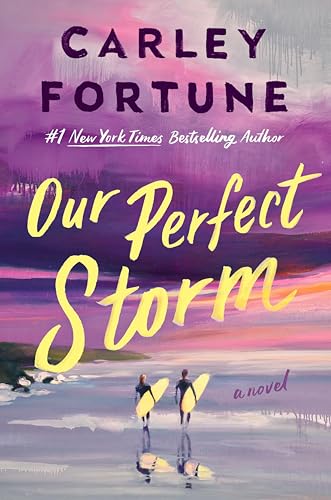
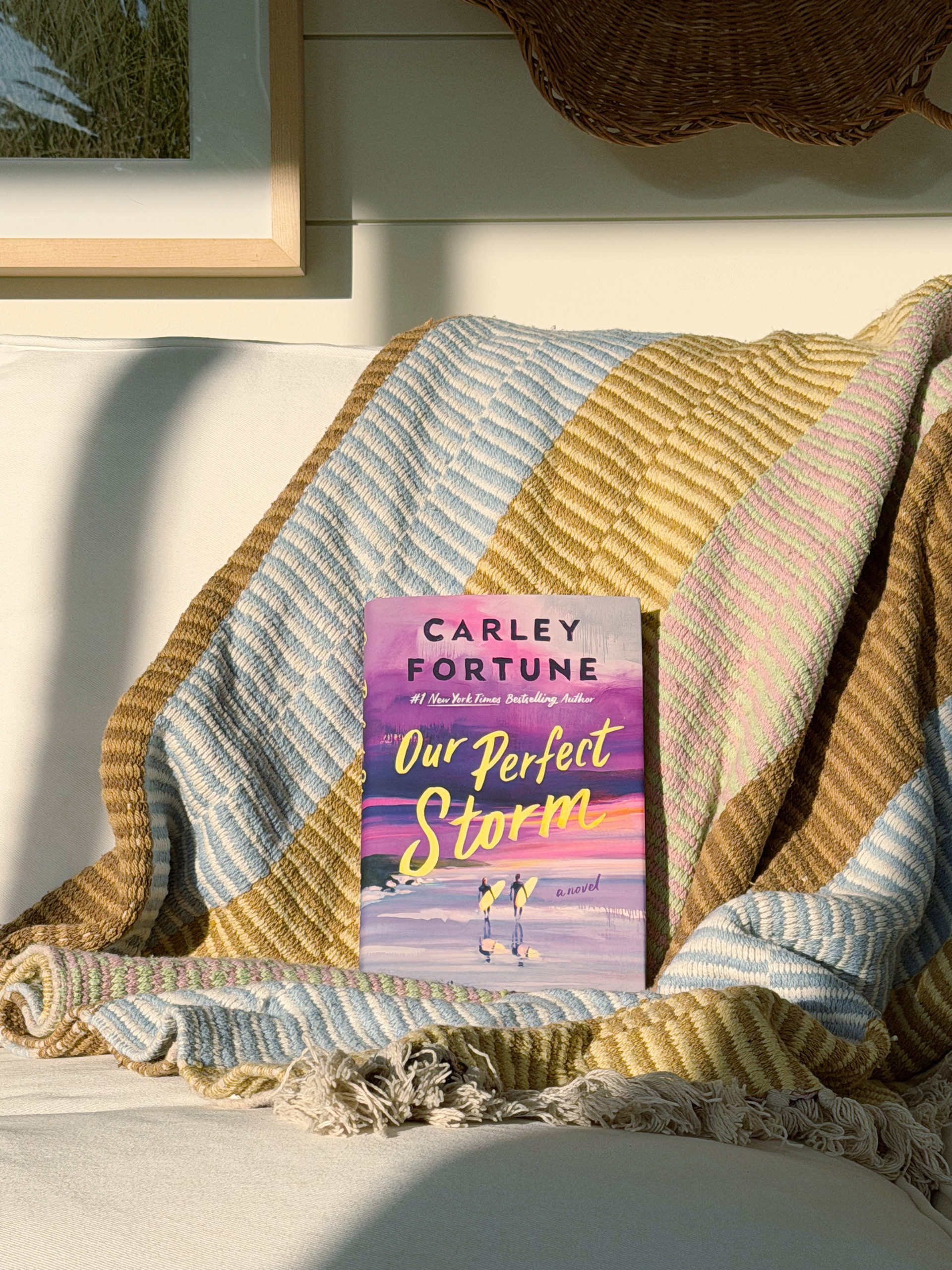
Contemporary Romance / Beach Read
Carley Fortune is back, and if you’ve loved her previous summer novels, this one might be her best yet. Frankie and George have been best friends since they were eight years old — passionate, headstrong, and constantly clashing their way back together. When Frankie’s fiancé walks out the morning after their wedding weekend, she does the only logical thing: takes George on her honeymoon to Tofino, British Columbia, instead.
What unfolds over one week in paradise is a story about friendship that bends under the weight of something bigger, about a woman reckoning with who she is at thirty, and about the terrifying moment when “just friends” stops being enough. Fortune writes settings that feel like their own characters, and Tofino is no exception — you’ll practically taste the salt air. Kirkus gave it a starred review, calling it a powerfully strong romance for readers who like love stories full of torment and passion.
For fans of: Emily Henry, the friends-to-lovers trope, and crying happy tears on a beach towel.

Contemporary Romance / Beach Read
Here’s your sleeper hit of the summer. Chassity Evans is a lifestyle creative who splits her time between Charleston and Harbour Island in the Bahamas, and her debut novel reads exactly like what happens when someone writes about a place they know in their bones. Lucy, a Charleston-based artist, inherits her grandmother’s beloved island house and heads to Harbour Island for a summer of sorting through what comes next. What she doesn’t expect: running into the man who once broke her heart, and meeting a handsome new songwriter who complicates everything.
This is transportive, sun-drenched, and deeply personal — the kind of book where you can feel the author writing about real establishments and corners of the island she loves. It’s been described as effervescent and cozy, and honestly, it’s the beach read equivalent of that first sip of something cold after a long, hot afternoon.
For fans of: Elin Hilderbrand’s island settings, second-chance romance, and books that make you immediately search for flights.

Thriller / Mystery
Tana French closes out her beloved Cal Hooper trilogy with the kind of quiet devastation that stays with you for weeks. In the remote Irish village of Ardnakelty, a young woman is found dead in the river. What looks like a tragedy quickly exposes generations-old grudges, land disputes, and the kind of small-town power plays where everyone knows who did what — and no one talks about it.
Retired Chicago detective Cal Hooper has built a life here now. He has people he cares about. But the cost of seeking truth in Ardnakelty is rising, and this time it threatens everything he’s come to love. NPR called this a contemporary classic. The New York Times said French is at the height of her powers. The Wall Street Journal described it as an elegy to both a lost girl and a vanishing way of life. If you loved God of the Woods by Liz Moore, this atmospheric, slow-burn mystery is your next obsession.
For fans of: Liz Moore, atmospheric literary mysteries, and books where the setting is as much a character as the people.

Thriller / Mystery
If you’re the kind of reader who devoured The Husband’s Secret or anything by Liane Moriarty, Sally Hepworth has been writing for you all along — and Mad Mabel might be her finest yet.
Meet Elsie Mabel Fitzpatrick: eighty-one years old, gloriously grumpy, fiercely independent, and hiding a past she’s kept buried for sixty years. Because once upon a headline, she was “Mad Mabel” — Australia’s youngest convicted murderer. When a neighbor turns up dead and the whispers start again, Elsie’s carefully guarded life threatens to unravel. Enter seven-year-old Persephone from across the road, armed with stickers and absolutely no concept of personal boundaries, who might be the unlikely friend Elsie never knew she needed.
Hepworth weaves past and present timelines with her signature dark humor and emotional gut punches. Readers are calling it heartbreaking, funny, and impossible to put down. Booklist gave it a starred review.
For fans of: Liane Moriarty, A Man Called Ove, unreliable narrators, and twists you don’t see coming.
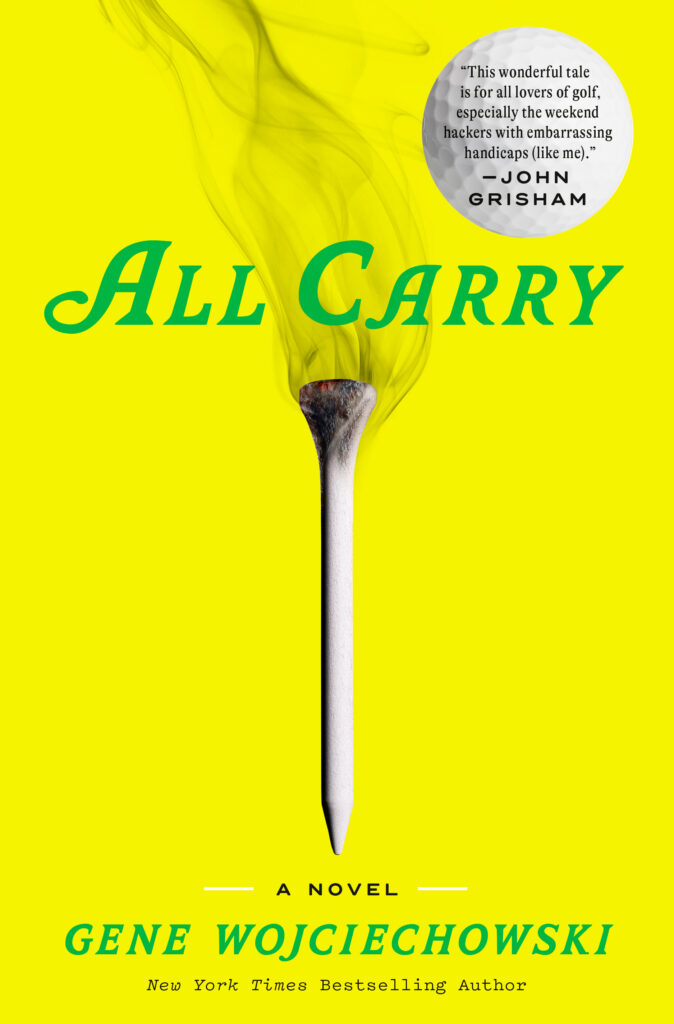
Contemporary Fiction / Sports Novel
This one’s for the person in your house who’d rather be on the back nine. A recently laid-off golf reporter. A down-on-his-luck caddie. A magical set of clubs that once belonged to Jack Nicklaus. Gene Wojciechowski’s debut novel is a feel-good fable that’s been described as a cross between Tin Cup, The Natural, and Like Mike — and John Grisham called it wonderful.
Joe is a middle-aged golf reporter whose relationship with his son has been fractured for years. When his son gives him a set of garage-sale golf clubs as an olive branch, Joe discovers something unbelievable: he’s hitting 400 yards. Nobody hits 400 yards. What follows is a wild, heartfelt ride to the Masters, fueled by unlikely friendship, redemption, and the kind of insider golf knowledge that only comes from forty years on the tour.
Golf Digest called it an entertaining read. Publishers Weekly praised its colorful characters and hilarious one-liners. You don’t need to love golf to love this book — you just need to love a good underdog story.
For fans of: The Boys in the Boat, The Art of Racing in the Rain, and feel-good fiction with heart.
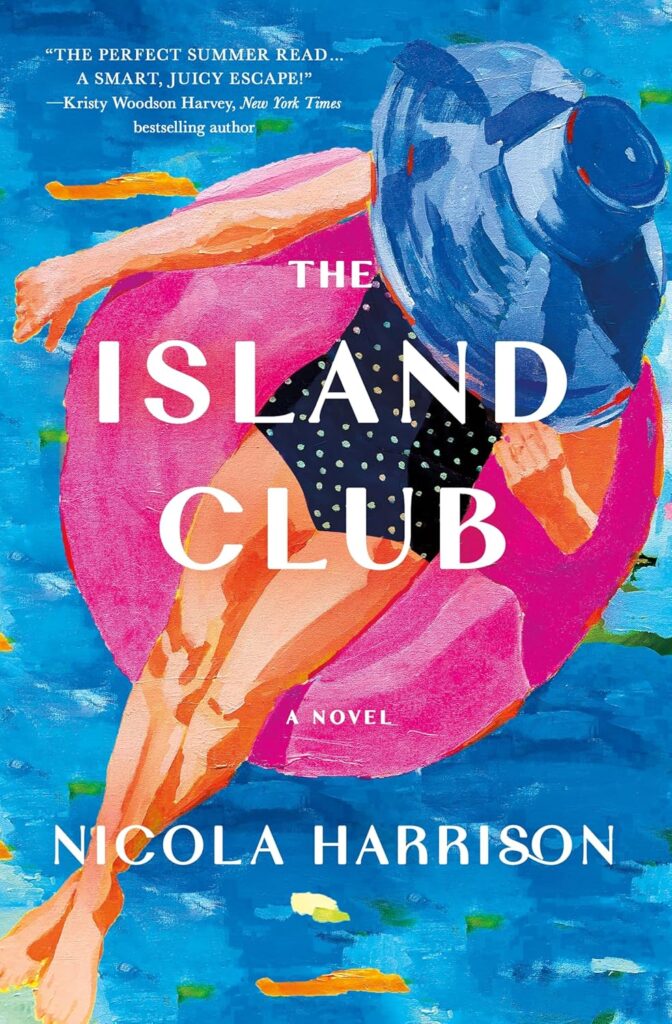
Historical Fiction / Beach Read
Coastal setting, 1950s glamour, three women with secrets, female friendship at the center — and it’s been compared to both Carrie Soto is Back and Big Little Lies. It fills the historical fiction gap on the list and fits the SOBAR aesthetic perfectly. The author also wrote Hotel Laguna and Montauk, so she knows how to write a place.
Here’s the quick pitch: It’s 1956 on Balboa Island, California. Milly’s marriage is falling apart. Sylvia’s husband is gambling away their life savings. And Adele is hiding a decades-old scandal that could destroy her. They meet through tennis and build a friendship that becomes the thing holding all three of them together. NYT bestselling authors Fiona Davis, Kristin Harmel, and Kristy Woodson Harvey all blurbed it. Steven Rowley said “no beach bag will be complete without this.”
For fans of: Elin Hilderbrand, The Seven Husbands of Evelyn Hugo, and 1950s coastal nostalgia.

Nonfiction / Memoir
Every reading list needs the one book that makes you sit up straighter and pay attention. This is it.
In March 2020, Belle Burden was on Martha’s Vineyard with her family, navigating the early days of the pandemic the way so many of us did — making roast chicken, building fires, drinking whisky sours. Then her husband of twenty years announced, with no warning, that he was leaving. Overnight, her steady partner became a stranger.
What follows is Burden’s unflinching examination of her marriage, her own family history, and the expectations placed on women to be discreet and compliant in the face of betrayal. People magazine called it searing and probing. The Washington Post called it a hypnotic nail-biter. Graydon Carter said it’s gripping, heartbreaking, and a must-read for every wife and husband. If you’ve ever looked at someone you thought you knew and wondered what else you missed, this memoir will haunt you in the best possible way.
For fans of: Crying in H Mart, Wild, and memoirs that read like page-turning fiction.
Pack two or three. Leave one on the nightstand for when the sun goes down and the house gets quiet. Lend one to the person in the next beach chair. Dog-ear the pages. Let the covers get sandy. That’s what summer books are for.
See you over the bridge.
Every person on this island has an opinion about where to get coffee. And they will defend that opinion like it’s a property line dispute.
You drive over it every time you cross the causeway. But do you actually know which bay you’re looking at?
Eighteen miles. Six towns. One mainland gem. Not every stretch of sand was made for the same kind of soul — here’s how to find the one that fits yours.
read ALL POSTS


the legacy of John Bailey LLoyd as lbi's historian
"Everyone who ever came to this island... came out of pure enjoyment and returned year after year."


The towns and neighborhoods of lbi & the mainland include: barnegat light, High Bar Harbor, Loveladies, harvey cedars, North Beach, surf city, ship bottom, Brant Beach, Beach Haven Crest, Brighton Beach, Peahala Park, Beach Haven Park, Haven Beach, The Dunes, Beach Haven Terrace, Beach Haven Gardens, Spray Beach, North Beach Haven, Beach Haven, South Beach Haven and Holgate PLUS Bonnet, Cedar Bonnet & Mallard Islands, mud city and beach haven west.
the legacy of John Bailey LLoyd as lbi's historian
"Everyone who ever came to this island...
came out of pure enjoyment and
returned year after year."